

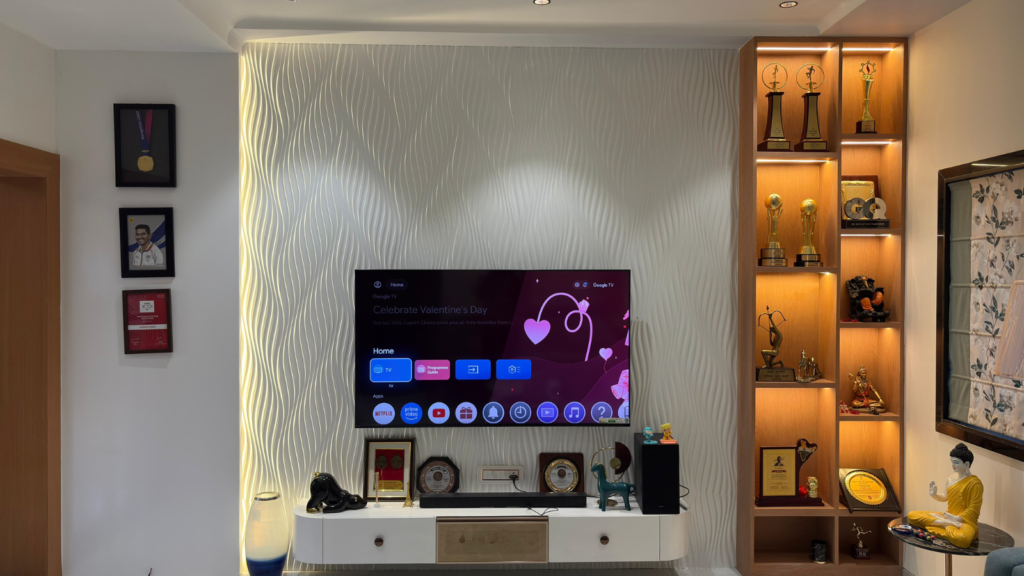
Minimalist interior design isn’t just about having fewer things—it’s about creating a space that is intentional, functional, and effortlessly elegant. A well-designed minimalist space feels open, calm, and timeless, focusing on simplicity and quality rather than clutter and excess. In this blog, we’ll explore key principles to help you achieve a beautiful minimalist interior.
1. Stick to a Neutral Color Palette
Minimalism thrives on neutral tones that create a clean and serene environment.
✅ Whites & off-whites – Classic and timeless, making spaces feel bright and airy.
✅ Soft grays & beige – Warm and inviting, adding depth without overwhelming.
✅ Monochrome accents – Keep it simple with shades of the same color family for a cohesive look.
2. Declutter & Prioritize Functionality
A minimalist space is free of unnecessary clutter, focusing only on essentials.
✅ Keep surfaces clean – Limit decorative pieces to a few well-chosen items.
✅ Hidden storage – Use built-in cabinets, drawers, and multi-purpose furniture to keep things tidy.
✅ Quality over quantity – Invest in a few high-quality, meaningful pieces instead of filling the space with too much décor.
3. Choose Simple & Clean-Lined Furniture
Minimalist furniture is all about sleek designs and practical function.
✅ Low-profile seating – Clean lines and neutral fabrics enhance the minimalist aesthetic.
✅ Streamlined storage units – Avoid bulky furniture; opt for wall-mounted or floating shelves.
✅ Minimalist dining sets – Simple wooden or glass-top tables with minimal ornamentation.
4. Incorporate Natural Elements
Minimalism doesn’t have to feel cold—adding natural materials creates warmth and balance.
✅ Wooden textures – Light or medium wood tones add warmth to neutral spaces.
✅ Stone & concrete – Marble, slate, or concrete surfaces provide a sleek, elegant look.
✅ Indoor plants – A single potted plant or a small arrangement of greenery can bring life to a minimalist room.
5. Optimize Natural Light & Open Space
An open, well-lit space enhances the feeling of minimalism.
✅ Sheer curtains or no curtains – Allow maximum sunlight to brighten the space.
✅ Strategic lighting – Recessed lights, pendant lamps, or simple floor lamps add a soft, diffused glow.
✅ Mirrors & glass accents – Reflective surfaces make spaces feel bigger and more open.
6. Keep Décor Minimal Yet Impactful
Minimalism doesn’t mean empty—it means choosing meaningful design elements.
✅ Single statement piece – A large painting, sculpture, or textured wall panel can add depth without clutter.
✅ Limited patterns – Stick to subtle, geometric, or monochromatic patterns to maintain balance.
✅ Functional décor – Beautiful yet practical pieces like stylish storage baskets or handcrafted vases.
7. Emphasize Clean Lines & Open Spaces
Unnecessary details and excessive ornamentation can disrupt a minimalist look.
✅ Use negative space – Let the design “breathe” by keeping open areas around furniture.
✅ Simple geometric shapes – Stick to rectangular, circular, or linear designs in furniture and décor.
✅ Hidden technology – Conceal wires and appliances to maintain a sleek and uncluttered look.
Conclusion
Minimalist interior design is all about simplicity, elegance, and functionality. By focusing on neutral colors, clean lines, natural elements, and smart storage, you can create a timeless and serene space. Whether designing a home or office, a minimalist approach brings a sense of calm and sophistication that never goes out of style.
