

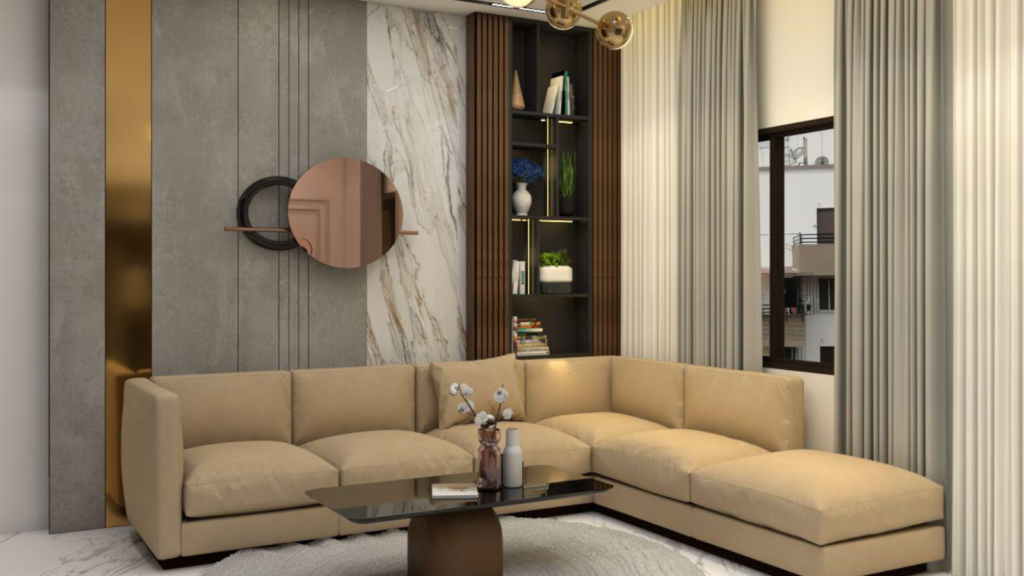
Sustainable interior design is more than just a trend—it’s a responsible way to create beautiful spaces while minimizing environmental impact. Whether you’re designing a home or office, incorporating eco-friendly choices can enhance aesthetics, promote well-being, and contribute to a healthier planet. In this blog, we’ll explore practical ways to embrace sustainability in modern interior design.
1. Choose Sustainable Materials
Selecting eco-friendly materials reduces waste and promotes sustainability.
✅ Bamboo & reclaimed wood – Durable, stylish, and renewable alternatives for furniture and flooring.
✅ Recycled metal & glass – Great for fixtures, countertops, and decorative elements.
✅ Natural stone & clay tiles – Non-toxic, long-lasting, and environmentally friendly choices for surfaces.
2. Invest in Energy-Efficient Lighting
Lighting plays a major role in energy consumption, but sustainable choices can reduce waste.
✅ LED lights – Consume less power and last longer than traditional bulbs.
✅ Smart lighting systems – Adjust brightness and timing to minimize energy use.
✅ Natural lighting – Maximize sunlight with large windows, skylights, and reflective surfaces.
3. Opt for Eco-Friendly Paints & Finishes
Traditional paints contain harmful chemicals (VOCs) that impact air quality.
✅ Low-VOC or zero-VOC paints – Improve indoor air quality while reducing toxicity.
✅ Natural finishes – Opt for limewash, clay, or milk-based paints for a chemical-free environment.
✅ Beeswax or plant-based wood finishes – Sustainable alternatives to synthetic varnishes.
4. Prioritize Sustainable Furniture & Decor
Furnishing your space sustainably can be both stylish and responsible.
✅ Second-hand & vintage furniture – Reduces waste while adding unique character.
✅ Upcycled & repurposed items – Turn old furniture into trendy statement pieces.
✅ Locally sourced & handmade items – Support artisans while reducing carbon footprint.
5. Use Natural & Organic Fabrics
Synthetic fabrics contribute to pollution and waste. Instead, opt for:
✅ Organic cotton & linen – Breathable, biodegradable, and free from harmful dyes.
✅ Hemp & jute – Strong, durable, and highly sustainable materials for rugs and upholstery.
✅ Wool & silk – Renewable, luxurious alternatives that provide warmth and texture.
6. Reduce Waste with Smart Storage & Minimalism
Sustainable design is also about reducing excess and embracing functionality.
✅ Multipurpose furniture – Beds with built-in storage, extendable tables, and modular sofas save space and materials.
✅ Declutter & donate – Keep only essential items and donate or recycle unwanted pieces.
✅ Minimalist approach – Focus on quality over quantity to create a timeless, clutter-free space.
7. Introduce Indoor Plants for a Greener Home
Plants not only enhance aesthetics but also improve air quality.
✅ Air-purifying plants – Snake plants, pothos, and peace lilies absorb toxins and freshen indoor air.
✅ Vertical gardens – A great space-saving solution for homes and offices.
✅ Low-maintenance options – Succulents and ferns require minimal care while adding a touch of nature.
Conclusion
Sustainable interior design is about making mindful choices that benefit both the environment and your well-being. By opting for eco-friendly materials, energy-efficient lighting, and conscious decor, you can create modern, stylish spaces that leave a positive impact on the planet. Small changes can lead to a greener, healthier, and more sustainable future!
